


The Benefits of Personalized One-on-One Care in Healthcare
Personalized one-on-one care is transforming how patients experience healthcare. When care providers focus on individual needs, preferences, and circumstances, the results often improve both health outcomes and patient satisfaction. This approach contrasts with more generic care models that may overlook unique challenges or goals. Understanding the difference between home care and home health care is essential to appreciating how personalized care fits into the broader healthcare landscape.

How Personalized One-on-One Care Works
Personalized care means tailoring healthcare services to the specific needs of each patient. This can include medical treatments, daily living assistance, emotional support, and lifestyle adjustments. The process often begins with a detailed assessment to understand the patient’s health status, living environment, and personal preferences.
What to Expect During Your First In-Home Care Assessment
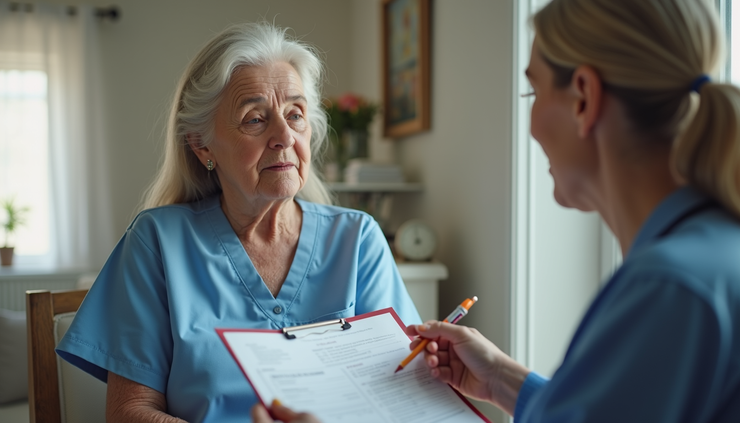
The first in-home care assessment sets the foundation for personalized care. During this visit, a healthcare professional evaluates the patient’s physical and mental health, mobility, medication needs, and home safety. They also discuss the patient’s goals and concerns. This assessment helps create a customized care plan that addresses both medical and personal needs.
Key elements of the assessment include:
Reviewing medical history and current treatments
Evaluating the home environment for safety risks
Discussing daily routines and preferences
Identifying support needs for family caregivers
This thorough evaluation ensures that care providers can deliver the right services at the right time, avoiding unnecessary hospital visits or complications.
Supporting Family Caregivers: Avoiding Burnout
Family caregivers play a crucial role in personalized care but often face significant stress. Supporting family caregivers helps prevent burnout, which can negatively affect both the caregiver and the patient. Personalized one-on-one care can ease this burden by sharing responsibilities and providing professional support.
Ways to support family caregivers include:
Offering respite care to give caregivers breaks
Providing training on medical tasks and safety
Connecting caregivers with support groups and counseling
Coordinating care schedules to reduce overwhelm
By addressing caregiver needs, personalized care creates a healthier environment for everyone involved.
Understanding the Difference Between Home Care and Home Health Care
Many people confuse home care with home health care, but they serve different purposes. Understanding the difference between home care and home health care helps families choose the right support.
Home Care focuses on non-medical assistance such as help with bathing, dressing, meal preparation, and companionship. It is ideal for individuals who need daily living support but do not require medical treatment.
Home Health Care involves skilled medical services provided by licensed professionals like nurses or therapists. This care includes wound care, medication management, physical therapy, and monitoring chronic conditions.
Personalized one-on-one care can combine elements of both, depending on the patient’s needs. For example, a patient recovering from surgery might receive home health care for wound management and home care for daily activities.
Benefits of Personalized One-on-One Care
Personalized care offers several advantages that improve the overall healthcare experience:
Improved Health Outcomes
Tailored care plans address specific health issues, reducing complications and hospital readmissions.
Enhanced Patient Comfort
Receiving care in a familiar environment helps patients feel more relaxed and secure.
Better Communication
One-on-one interactions allow for clearer communication between patients, caregivers, and healthcare providers.
Increased Independence
Personalized support encourages patients to maintain as much independence as possible.
Emotional Support
Building a trusting relationship with a caregiver helps reduce feelings of isolation and anxiety.
Practical Tips for Families Considering Personalized Care
Choosing personalized one-on-one care involves several steps. Families can take these actions to ensure the best outcomes:
Research Providers
Look for agencies or professionals with experience in personalized care and positive reviews.
Ask About Services
Confirm what types of care are offered and how flexible the care plans can be.
Prepare for the Assessment
Gather medical records, list medications, and note any specific concerns or preferences.
Involve the Patient
Include the patient in decision-making to respect their wishes and promote cooperation.
Plan for Caregiver Support
Discuss how family members will share responsibilities and access support resources.

Personalized one-on-one care is a valuable approach that adapts to the unique needs of each individual. It bridges the gap between medical treatment and daily living support, making healthcare more effective and compassionate. Families who understand the difference between home care and home health care, know what to expect during your first in-home care assessment, and prioritize supporting family caregivers can create a strong foundation for successful care.
Taking the time to explore personalized care options can lead to better health, greater independence, and peace of mind for both patients and their families. If you are considering this type of care, start by scheduling an in-home assessment and discussing your needs with a trusted provider. This step opens the door to a more tailored and supportive healthcare experience.


Comments